


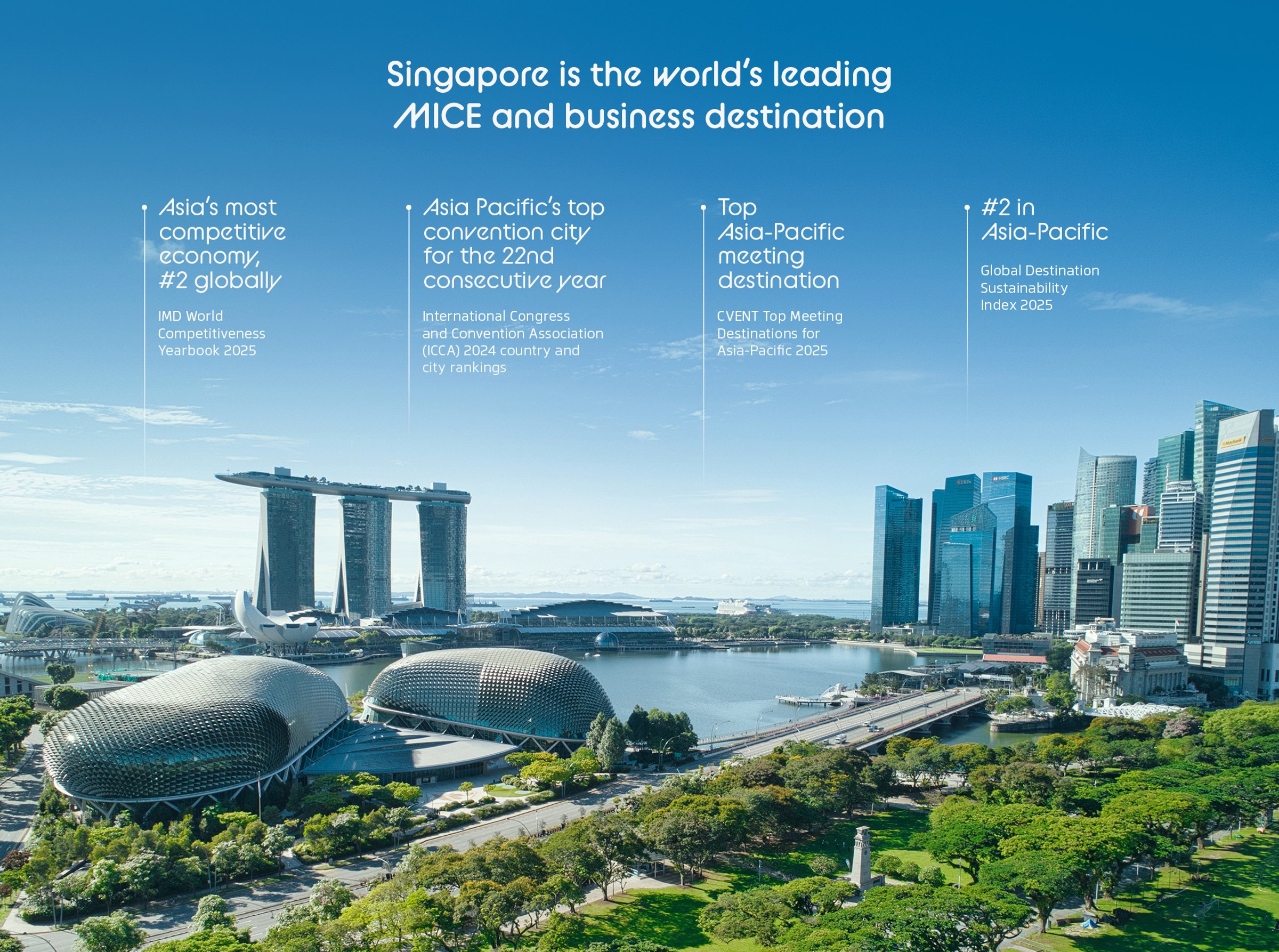
Singapore is known for financial sophistication, but having access to a major financial hub does not automatically make global investing straightforward. For everyday savers, the challenge is often not finding investment opportunities, but deciding which ones make sense without taking on unnecessary complexity. International markets can offer access to thousands of businesses across different economies, industries and currencies, yet choosing individual overseas investments requires time, knowledge and ongoing attention.
There is another route. Pooled investment vehicles can allow investors to participate in broader markets without having to research and manage every individual security themselves. For Singapore savers building wealth over the long term, mutual funds can provide a practical framework for accessing diversified investments while keeping the focus on financial goals rather than short-term market movements.
Looking Beyond Singapore’s Investment Market
Singapore offers investors a strong domestic financial environment, but its relatively small economy means that limiting a portfolio to local investments can leave some global industries and companies outside an investor’s reach. Major developments in technology, healthcare, consumer goods, energy and financial services are taking place across multiple countries. International exposure can therefore expand the range of opportunities available to a Singapore-based investor.
Diversification is a widely recognised principle of portfolio construction. Professional investment managers and financial institutions generally emphasise spreading exposure because different markets and asset classes do not always move in the same direction. A downturn in one economy may coincide with stronger performance elsewhere, although diversification cannot eliminate losses or guarantee returns.
Global exposure should not, however, be treated as a simple solution to investment risk. Overseas markets can introduce currency fluctuations, political uncertainty, economic differences and varying regulatory environments. The objective is not to invest internationally simply because international markets exist. It is to determine whether global assets have a useful role within a portfolio and how much exposure is appropriate.
Why Mutual Funds Can Be an Accessible Option
Mutual funds bring money from multiple investors together and invest that capital according to a defined strategy. Depending on the fund, the portfolio might contain shares from several countries, government or corporate bonds, or a combination of different asset classes. This structure can give individual investors access to a diversified portfolio without requiring them to purchase and monitor every security separately.
For someone researching how to invest in mutual funds, the first step should be understanding the fund’s purpose rather than focusing exclusively on its past returns. Investors should examine the underlying holdings, geographic allocation, investment strategy, risk level and fees. Two funds may both describe themselves as global investments while having very different concentrations, making the details particularly important.
Costs also deserve close attention. Management charges and other expenses reduce the amount of money that remains invested, and the effect can become more meaningful over a long investment period. Investors should also understand how the fund handles income distributions, whether distributions are automatically reinvested, how frequently the fund can be traded and what currency exposure may affect the investment.
Matching the Fund to Your Financial Goals
There is no single global investment strategy that suits every Singapore saver. A younger investor with a long time horizon may have a greater capacity to tolerate short-term fluctuations, while someone approaching retirement may prioritise stability and income. The same fund can therefore be appropriate for one investor and unsuitable for another.
Risk tolerance should be considered alongside investment objectives. Equity-focused global funds can provide substantial growth potential but may experience significant declines during market downturns. Bond-oriented funds may offer a different risk and income profile, while balanced funds attempt to combine multiple asset classes. Investors should understand what they are buying rather than choosing a product simply because it has performed well recently.
Currency is another factor that should not be overlooked. A Singapore investor holding assets denominated in US dollars, euros or other currencies is exposed to movements in exchange rates. Even when the underlying investments perform positively, changes in currency values can affect the eventual return measured in Singapore dollars. Some funds hedge currency exposure, while others allow it to fluctuate naturally.
Conclusion
For Singapore savers, global market exposure can provide an opportunity to participate in businesses and economies beyond the domestic market. Mutual funds offer one practical way to achieve this diversification because they can combine multiple investments within a professionally managed structure. However, the value of any fund depends on whether its strategy, costs, risks and underlying holdings are appropriate for the individual investor.
The most effective approach is not necessarily the most complicated one. By understanding diversification, assessing currency and market risks, paying attention to fees and maintaining a long-term perspective, Singapore investors can make more informed decisions about international investing. Global exposure should ultimately serve a clear financial purpose, helping savers build a portfolio that reflects where they want to go rather than simply where markets happen to be today.
More Stories
Unlocking Your Path to Financial Freedom: Smart Moves for Every Stage of Life
Creative Paths to Financial Prosperity: Unlock Your Money Mindset Today
The Art of Growing and Preserving Your Wealth: A Modern Wealth Management Blueprint