


The phrase “responsible business” may prompt a cynical smirk — and the recommendation that it is an oxymoron. But a important amount of companies are embracing the principle of men and women and earth along with income. The schooling sector is adapting, as well.
For at minimum half a century, shareholder primacy dominated the curriculum in organization colleges, and the most preferred occupation possibilities of their graduates have been significant-paying roles in banking and consultancy. But that is changing, as many students, faculty and employers — partly under stress from consumers and buyers — pay back additional awareness to local weather adjust and stress the importance of values and reason. They request which means and recognise the downsides of unrestrained, poorly controlled capitalism.
Initiatives these types of as the UN’s Rules for Dependable Management Training (PRME) are increasing, though a expanding variety of alliances hook up university student groups, small business colleges and specialist academic networks in fields these as influence finance and accountable analysis in company and administration. In the same way, business educational facilities are coming underneath strain to get to out to students in other colleges, so that all those searching for to get the job done outside the for-gain sector can reward from the most up-to-date management knowhow.
Business university rankings, such as all those created by the Fiscal Times, however give considerable pounds to salaries, which critics argue discriminates from establishments trying to find to attract and educate learners less enthusiastic by dollars.
The problem arrives in determining equally demanding and similar measures of schools’ performance. Analysis demonstrates that among the development studies published by schools in UN PRME, a lot stays anecdotal, with tiny indicator that topics these as sustainability are deeply integrated.
Some metrics, these as gender and intercontinental diversity among the learners, college and management, are rather simple to include things like, and have currently been integrated into the FT’s rankings. Other individuals are below growth, these types of as how schools handle their individual operations, like specifying targets for internet zero carbon emissions, which sets an critical illustration for staff and learners.
Other fundamental variables, together with the nature of teaching and study and the submit-graduation destinations and things to do of learners, are trickier to assess but nonetheless essential to investigate. Company faculties ought to equally inspire practical analysis with societal impression and share their management teaching expertise with other schools and specialisms.
The FT’s Responsible Business Education Awards purpose to take into consideration all of these things — to showcase examples of best exercise as picked by gurus from inside and outside of the sector. The judges are a loaded combine of businesses, investors, lecturers, funders, publishers and many others with a motivation to change.
The final results are remarkable. In the spirit of fostering co-operation fairly than competitors involving universities, and of recognising the substantial top quality of the submissions, the judges named four joint winners and a highly commended project in the three classes, fairly than a single top rated decision for just about every.
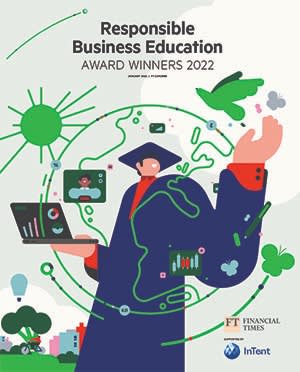
This posting seems in the January 19 version of the FT Dependable Business Education and learning journal
There ended up dozens of entries for company school exploration, which sought new academic do the job that was intellectually arduous and ground breaking but also resolved social worries and demonstrated evidence of influence on coverage or follow.
The best examples typically concerned collaboration among authors from different disciplines and universities, as very well as partnerships with practitioners and policymakers. They went much beyond just publishing in technological academic journals, by making policy briefs and on the internet applications, talking about their findings with companies, regulators and legislators, and demonstrating tangible results.
The 2nd classification focused on training instances, which sit at the heart of coursework for a lot of business educational institutions. There is increasing disappointment that they continue being dominated by gain-maximising, western, white, male main executives as protagonists and job styles. The FT award recognised a wealthy variety of newer circumstances that centred on difficulties linked to climate and sustainability. They took nuanced views on dilemmas faced by a diverse assortment of executives and business owners in distinct international locations, and have been prepared by folks in just and beyond enterprise schools in North America, Europe, Africa and Asia.
Operations, research and instructing are all vital, but the top take a look at of business schools is their graduates, so the 3rd award centered on alumni “change makers” who went on soon after their research to become both entrepreneurs generating start out-ups with social effect or intrapreneurs shifting “business as usual” for their employers. The winners, like the schools they attended, had been drawn from a few continents and showed how to make a variance, notably in the fields of the surroundings and wellbeing.
Overall, the philosophy of quite a few enterprise faculties, and the occupation routes of the the greater part of their graduates, may well however justify scepticism about the outlook for dependable small business. But these awards issue to outstanding achievements by people dedicated to wider societal affect and present sturdy examples that others can emulate.
Andrew Jack is the FT’s world-wide education editor
More Stories
Top 10 Investment Firms Ruling Global Markets in 2024
Unlocking Financial Freedom: How Top Wealth Management Companies Transform Wealth Into Wisdom
Investment Firms Unleashed: Where Strategy Meets Big Returns