



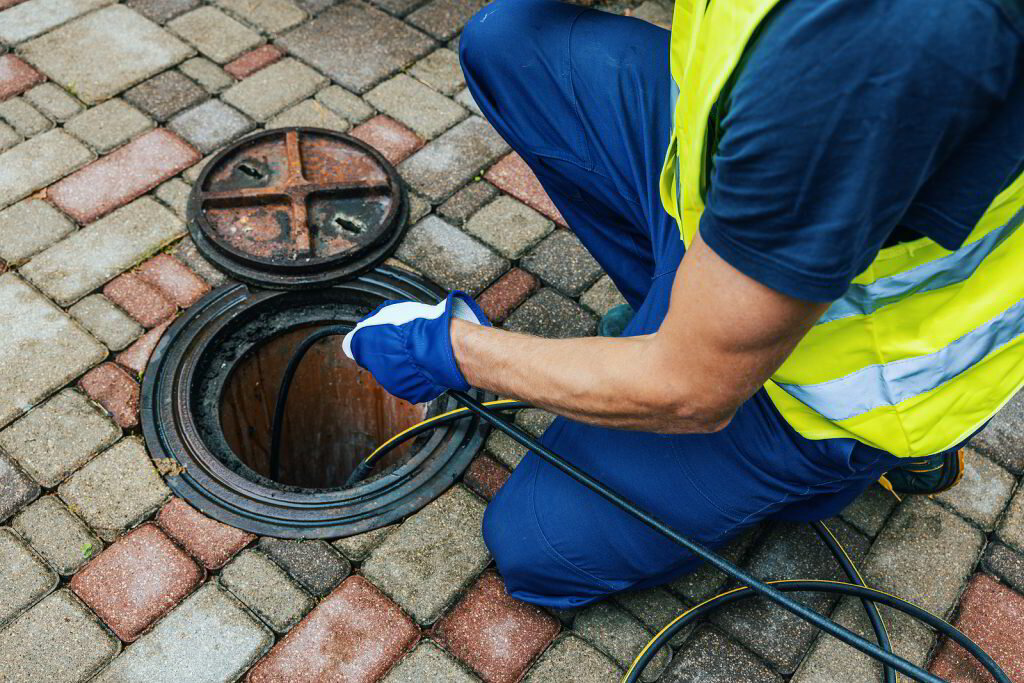
A functional home is defined by the systems we rarely see. While we focus on paint colors, cabinetry, and flooring, the internal arteries of a house—the plumbing—work tirelessly to keep the environment sanitary and safe. When these systems fail, the experience is immediate and disruptive. From slow-draining sinks that signal a brewing blockage to the more severe structural concerns requiring professional sewer line repair, understanding how to maintain your home’s waste management system is essential for every property owner.
Understanding the Early Signs of Plumbing Failure
Most significant plumbing catastrophes do not happen in a vacuum. They are usually the result of long-term neglect or the accumulation of debris that was ignored until it caused a total blockage. Recognizing the early symptoms of a failing system can prevent expensive water damage and the need for emergency intervention.
One of the most common indicators is the presence of multiple slow-moving drains. If your kitchen sink, bathtub, and toilet all exhibit sluggish drainage simultaneously, the problem is likely not isolated to a single trap or fixture. Instead, it typically indicates an obstruction further down the line, potentially within the main sewer lateral. Other red flags include persistent gurgling sounds after you flush the toilet, the smell of sewage backing up into your living spaces, or unexplained patches of unusually lush, green grass in your yard, which can signal a leak in an underground sewer line.
When these symptoms appear, the most effective first step is to contact a professional for drain cleaning plumber services. These experts possess the diagnostic tools necessary to look past the surface of your pipes and identify the root cause of the flow restriction.
The Role of Professional Diagnostic Tools
Modern plumbing maintenance has moved far beyond the basic metal snakes used by previous generations. Today, the standard for excellence in the trade is the use of high-definition video inspection cameras. By feeding a flexible, waterproof camera into your pipes, a technician can see exactly what is happening inside your plumbing network in real time.
This visual confirmation is critical for deciding the correct course of action. For instance, a localized clog caused by hair or soap scum in a bathroom vanity might be cleared quickly with specialized brushes. However, if the camera reveals a mass of tree roots that have infiltrated the joints of your pipe, simple snaking will provide only a temporary fix. In such cases, the technician can pinpoint the exact location and depth of the damage, allowing them to perform targeted sewer line repair rather than digging up an entire lawn to find a mystery leak.
Why Chemical Cleaners Are Rarely the Solution
One of the most dangerous habits a homeowner can fall into is the reliance on store-bought chemical drain openers. While these products are aggressively marketed for their convenience, they are often damaging to your infrastructure in the long run. Most of these products work through harsh exothermic reactions designed to eat through organic matter; unfortunately, they are not selective.
Over time, these chemicals can corrode the interior walls of your pipes, especially if you have older metal plumbing or delicate PVC joints. This erosion creates a rough surface that actually makes it easier for future debris to snag and build up, leading to a cycle of recurring clogs. Furthermore, if the chemical fails to clear the obstruction, it remains pooled in the pipe, creating a significant safety hazard for any plumber who arrives to perform manual drain cleaning plumber services later.
Instead of relying on harsh additives, consider the mechanical approach. Professional services offer hydro-jetting, a process that uses pressurized water to scour the inside of the pipe walls. This method is safe for your plumbing materials and far more effective at removing stubborn mineral scale and grease deposits than any liquid cleaner available at the hardware store.
Addressing Structural Issues with Sewer Line Repair
Sometimes, a persistent drain problem is not a clog at all, but a structural failure of the pipe itself. Common factors that lead to this include ground shifting, the natural aging of materials, or the aforementioned root infiltration. When pipes crack, collapse, or become misaligned, the only resolution is a professional sewer line repair.
In the past, this was a project that homeowners dreaded due to the invasive nature of traditional excavation. Today, trenchless technologies often provide a less intrusive alternative. Technologies such as pipe lining or pipe bursting allow technicians to rehabilitate or replace damaged sections of a sewer line with minimal disruption to your driveway, landscaping, or foundation. If your property is older, particularly if it was built during a period where clay or cast-iron piping was the industry standard, it is worth having a professional perform a proactive inspection to assess the current integrity of your lateral lines.
Best Practices for Preventing Future Drain Issues
While professional intervention is vital when problems arise, the daily health of your plumbing system is largely dictated by household habits. The most effective way to reduce the frequency of needing a drain cleaning plumber is to control what goes into the system.
In the kitchen, the most common enemy is fats, oils, and grease. These substances may seem liquid when poured down the drain, but as they cool, they solidify into a waxy, concrete-like substance that coats the inside of your pipes. Even if you run hot water with dish soap, the grease eventually travels far enough down the line to cool and create a “fatberg.” Instead, collect cooking fats in a separate container and dispose of them in the trash.
In the bathroom, the focus should be on physical filtration. Ensure that shower and tub drains are equipped with high-quality mesh screens to catch hair and skin flakes before they enter the trap. Furthermore, remind all household members that toilets are not trash cans. Even products labeled as “flushable” are often responsible for significant blockages because they do not break down in water the way standard toilet paper does.
Choosing the Right Service Provider
When you are in the middle of a plumbing emergency, the pressure to choose a contractor quickly is high. However, taking a moment to verify the qualifications of your provider is essential. A reputable professional will be fully licensed, bonded, and insured, providing you with documentation of their credentials upon request.
Look for a company that prioritizes transparency. If you require sewer line repair, the contractor should be willing to show you the video footage of the damage so you understand exactly why a specific repair method is being recommended. Beware of contractors who provide a quote over the phone without having performed any diagnostic work, or those who pressure you into expensive services without a clear, evidence-based justification.
Investing in Long-Term Home Reliability
Your plumbing system is a long-term investment. By performing routine maintenance, such as annual camera inspections and professional cleaning, you can effectively double the lifespan of your sewer infrastructure. Neglecting these systems might save a few dollars in the short term, but it almost always leads to a much higher financial burden when an emergency strike at the worst possible moment.
Whether you are dealing with a recurring backup or you are simply concerned about the age of your pipes, prioritizing your plumbing health is a hallmark of responsible homeownership. When you treat your drainage system with the same level of care and attention as you would your roof or your HVAC unit, you ensure that your home remains a reliable, clean, and efficient place to live for years to come.
More Stories
A Different Route to Global Market Exposure for Singapore Savers
Unlocking Your Path to Financial Freedom: Smart Moves for Every Stage of Life
Creative Paths to Financial Prosperity: Unlock Your Money Mindset Today